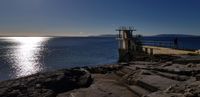
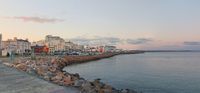
Photos of Trá na bhForbacha, Na Forbacha
Today at Trá na bhForbacha, Na Forbacha
15.2°C
CoolCooler than it looks. Cold shock is possible on entry. Take your time getting in.
Copernicus Marine (Satellite) · the label is our plain summary of the numbers, not advice
Before you go
Read before you swim
Reviews
No reviews yet. Be the first to share your experience.
Write a reviewAbout
Trá na bhForbacha is a sandy beach and can be subject to very strong wave action and currents. The beach supports a wide variety of shellfish, birds, animals and plants. Seals and otters may be spotted along the coastline. Trá na bhForbacha is a proposed Natural Heritage Area. Activities include swimming, bathing and water sports.
Location
Getting there
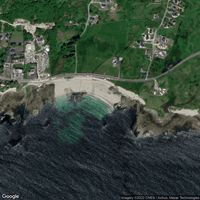
Trá na bhForbacha is situated in a Gaeltacht area, 13kms to the west of Galway city directly adjacent to the R336 Galway to Spiddal road. It is located immediately to the west of Na Forbacha village adjacent to Pádraicín's bar and restaurant on the coast of Galway bay, a west facing bay open to the atlantic. This area is located in the Galway coast water management unit of the western river basin district catchment.
Accessibility
Small stands of seaweed may be present on both the strand and in the bathing water at any time of the year; however, it is unlikely to pose a nuisance to bathers. Vegetation is sparse along the upper zone of the sandy shore. The rocky shore and along Abhainn an Chnoic exhibits typical banded zonation patterns. In the splash zone lichens such as Black Tar Lichen (Verrucaria spp.) are present. Upper and missle shore communities included Channelled Wrack (Pelvetia canaliculata), Bladder Wrack (Fucus vesiculosus), Bootlace seaweed (Chorda filum), Kelp (Laminaria spp.), Red Algae (Rhodophyceae), Limpets (Patella vulgata) and Periwinkles (Littorina spp.). The rocks along the Abhainn an Chnoic also have colonies of Mussels (Mytilus edulis), Periwinkles and Common Acorn Barnacles (Semibalanus balanoides).
What swimmers say
Facilities
Activities
Help verify this spot
Sign in to help verify details about this spot.
Been here recently?
Share conditions, tips, or hazards to help other swimmers plan their visit to Trá na bhForbacha, Na Forbacha.
Share an updateFor beaches, lidos, cafés, saunas and swim venues
Run Trá na bhForbacha, Na Forbacha, or a café, sauna or club beside it?
Every swimmer at your spot asks the same question: how’s the water today? A free poster or a live screen answers it — and brings your swimmers into a community that reports back.
- Completely free No fee for venues, no fee for swimmers. Print the poster, open the screen, and it runs itself.
- Wild Pro is optional Swimmers who want days two to seven of the forecast can subscribe — £3.99/mo or £29.99/yr. Today’s conditions and all official water quality are free for everyone, with no account.
- Safety first Water temperature, wind, waves, tides and the official bathing-water rating, shown plainly so people can decide for themselves.
- Live conditions Forecasts from Open-Meteo, tides from WorldTides, sea temperature from Copernicus Marine, and water quality from the agencies that test it.
- Built on community Swimmers post what they found. A poster or a screen at your spot turns every swim into a report the next swimmer can use.
Frequently asked questions
Is this beach safe for swimming?
Check the Conditions tab for current wave height, swell and wind. Review the Quality tab for the latest Environment Agency classification. Always read recent community reports for local knowledge.
When is the best time to swim here?
Check the Tides tab for today's high and low times. Many coastal spots are best around high tide when there's enough water depth, or during slack water when currents are weakest.
What should I bring?
A tow float for visibility, warm layers for after, and footwear for rocky entries. In colder months, consider a wetsuit, gloves, and a swim cap.
What should I know before swimming here?
Check tide times before entering. Incoming tides can cut off escape routes. Watch for rip currents, especially near groynes and headlands. Cold water shock is real. Enter slowly and control your breathing. Always swim with others or tell someone your plan. A tow float makes you visible to boats and other water users. Conditions change fast. Always check the latest data, read recent community reports, and swim within your ability.