Beach
Vatera
Photos of Vatera
Today at Vatera
21.7°C
WarmWarm for open water. Sun exposure and dehydration are the main risks at this temperature.
Copernicus Marine (Satellite) · the label is our plain summary of the numbers, not advice
Before you go
Reviews
No reviews yet. Be the first to share your experience.
Write a reviewAbout
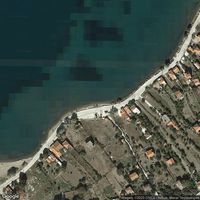
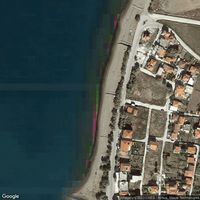
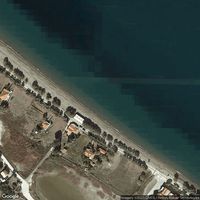
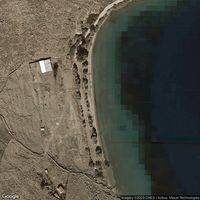
Experience this spot in Vatera. Great spot for water skiing, wake boarding, sailing and wind surfing. Vatera is a village located on the southwestern coast of the island of Lesbos, Greece. The area is known for its long, sandy beach, which is one of the longest on the island, stretching for 7 km. The beach is backed by rocky cliffs and rolling hills covered in olive groves and pine trees. In the distance, visitors can see the majestic Mount Olympus, the highest peak on Lesbos. The sea is crystal-clear and turquoise, with occasional boats bobbing on the waves. The surrounding countryside is dotted with picturesque villages and small farms, creating a peaceful and traditional ambiance. Overall, the area around Vatera boasts stunning natural beauty and a tranquil atmosphere that is perfect for a relaxing vacation.
Location
What swimmers say
Water sports
Help verify this spot
Sign in to help verify details about this spot.
Been here recently?
Share conditions, tips, or hazards to help other swimmers plan their visit to Vatera.
Share an updateFrequently asked questions
Is this beach safe for swimming?
Check the Conditions tab for current wave height, swell and wind. Review the Quality tab for the latest Environment Agency classification. Always read recent community reports for local knowledge.
When is the best time to swim here?
Check the Tides tab for today's high and low times. Many coastal spots are best around high tide when there's enough water depth, or during slack water when currents are weakest.
What should I bring?
A tow float for visibility, warm layers for after, and footwear for rocky entries. In colder months, consider a wetsuit, gloves, and a swim cap.
What should I know before swimming here?
Check tide times before entering. Incoming tides can cut off escape routes. Watch for rip currents, especially near groynes and headlands. Cold water shock is real. Enter slowly and control your breathing. Always swim with others or tell someone your plan. A tow float makes you visible to boats and other water users. Conditions change fast. Always check the latest data, read recent community reports, and swim within your ability.