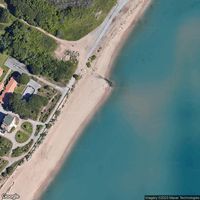
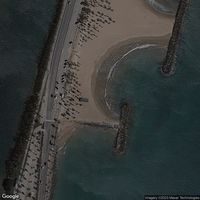
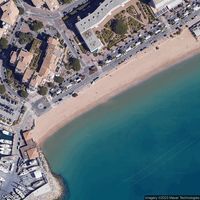
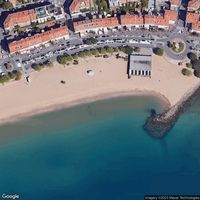
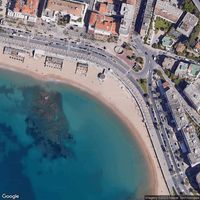
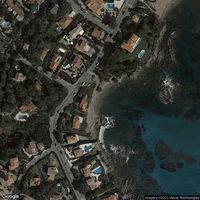
Photos of Argens
Today at Argens
23.3°C
WarmWarm for open water. Sun exposure and dehydration are the main risks at this temperature.
Copernicus Marine (Satellite) · the label is our plain summary of the numbers, not advice
Before you go
Read before you swim
Reviews
No reviews yet. Be the first to share your experience.
Write a reviewAbout
Check out this spot in Fréjus. Great spot for white water rafting, kayaking, canoeing and supping. Fréjus is a seaside town located in the Var department of the Provence-Alpes-Côte d'Azur region in southeastern France. The town boasts a beautiful sandy beach, marina, historical Roman ruins and stunning views of the Mediterranean Sea. The surrounding area is characterized by rolling hills covered in vineyards, olive groves and pine forests. The Massif de l'Esterel, a mountain range known for its red rocks and hiking trails, is located nearby. The scenery around Fréjus is dotted with charming villages, like Roquebrune-sur-Argens and Les Adrets-de-l'Estérel, and picturesque towns, such as Sainte-Maxime and Saint-Tropez. The Mediterranean climate in the region provides plenty of sunshine and warmth, with mild winters and hot summers.
Location
What swimmers say
Water sports
Help verify this spot
Sign in to help verify details about this spot.
Been here recently?
Share conditions, tips, or hazards to help other swimmers plan their visit to Argens.
Share an updateFor beaches, lidos, cafés, saunas and swim venues
Run Argens, or a café, sauna or club beside it?
Every swimmer at your spot asks the same question: how’s the water today? A free poster or a live screen answers it — and brings your swimmers into a community that reports back.
- Completely free No fee for venues, no fee for swimmers. Print the poster, open the screen, and it runs itself.
- Wild Pro is optional Swimmers who want days two to seven of the forecast can subscribe — £3.99/mo or £29.99/yr. Today’s conditions and all official water quality are free for everyone, with no account.
- Safety first Water temperature, wind, waves, tides and the official bathing-water rating, shown plainly so people can decide for themselves.
- Live conditions Forecasts from Open-Meteo, tides from WorldTides, sea temperature from Copernicus Marine, and water quality from the agencies that test it.
- Built on community Swimmers post what they found. A poster or a screen at your spot turns every swim into a report the next swimmer can use.
Frequently asked questions
Is this beach safe for swimming?
Check the Conditions tab for current wave height, swell and wind. Review the Quality tab for the latest Environment Agency classification. Always read recent community reports for local knowledge.
When is the best time to swim here?
Check the Tides tab for today's high and low times. Many coastal spots are best around high tide when there's enough water depth, or during slack water when currents are weakest.
What should I bring?
A tow float for visibility, warm layers for after, and footwear for rocky entries. In colder months, consider a wetsuit, gloves, and a swim cap.
What should I know before swimming here?
Check tide times before entering. Incoming tides can cut off escape routes. Watch for rip currents, especially near groynes and headlands. Cold water shock is real. Enter slowly and control your breathing. Always swim with others or tell someone your plan. A tow float makes you visible to boats and other water users. Conditions change fast. Always check the latest data, read recent community reports, and swim within your ability.