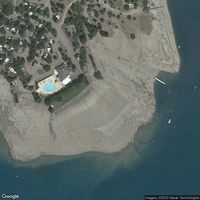
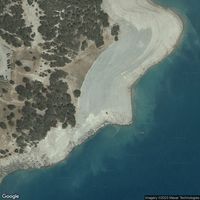
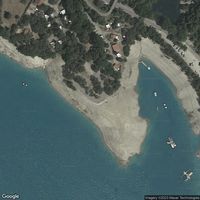
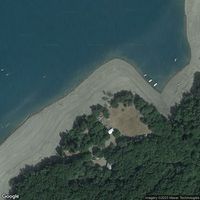
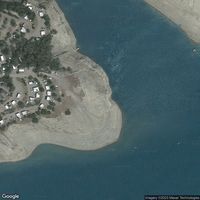
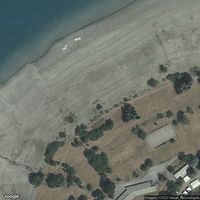
Photos of Baie St Michel
Today at Baie St Michel
11–20°C
CoolCooler than it looks. Cold shock is possible on entry. Take your time getting in.
Modelled from recent air temperature — the band's width is ours, not a published error figure · the label is our plain summary of the numbers, not advice
Before you go
Read before you swim
Reviews
No reviews yet. Be the first to share your experience.
Write a reviewAbout
Explore this spot in Chorges. Popular location for swimming and paddling, cycling, water skiing, wake boarding, kayaking, canoeing, supping and wind surfing. Chorges is a commune situated in the Hautes-Alpes department of the Provence-Alpes-Côte d'Azur region in France. It is located in the southeastern part of France and surrounded by beautiful mountains and rolling hills. The scenery is characterized by natural beauty with forests, lakes, and rivers. The area is a popular destination for outdoor enthusiasts, especially in summer when hiking, cycling, and water sports are popular. The nearby Écrins National Park offers stunning mountain landscapes and alpine meadows. The iconic Lac de Serre-Ponçon is a man-made lake that adds to the beauty of the region. The town itself has preserved its ancient heritage with many historical buildings, including the Saint-Laurent church, a chapel dating back to the 12th century. The local markets and shops offer visitors a chance to discover the traditional and unique products of Provence. Overall, Chorges and its surrounding areas offer breathtaking scenery and a perfect blend of nature, history, and culture.
Location
What swimmers say
Activities
Landscape
Water sports
Help verify this spot
Sign in to help verify details about this spot.
Been here recently?
Share conditions, tips, or hazards to help other swimmers plan their visit to Baie St Michel.
Share an updateFor beaches, lidos, cafés, saunas and swim venues
Run Baie St Michel, or a café, sauna or club beside it?
Every swimmer at your spot asks the same question: how’s the water today? A free poster or a live screen answers it — and brings your swimmers into a community that reports back.
- Completely free No fee for venues, no fee for swimmers. Print the poster, open the screen, and it runs itself.
- Wild Pro is optional Swimmers who want days two to seven of the forecast can subscribe — £3.99/mo or £29.99/yr. Today’s conditions and all official water quality are free for everyone, with no account.
- Safety first Water temperature, wind, waves, tides and the official bathing-water rating, shown plainly so people can decide for themselves.
- Live conditions Forecasts from Open-Meteo, tides from WorldTides, sea temperature from Copernicus Marine, and water quality from the agencies that test it.
- Built on community Swimmers post what they found. A poster or a screen at your spot turns every swim into a report the next swimmer can use.
Frequently asked questions
Is this lake safe for swimming?
Check the Conditions tab for surface state and wind conditions. Review the Quality tab if this is a designated bathing water. Always read recent community reports for local advice.
How cold is the water?
Check the Temperature tab for the current estimate and 7-day trend. Lakes hold heat longer than rivers but can develop a thermocline. The water below the surface can be dramatically colder.
What should I bring?
A tow float for visibility (especially important where boats operate), warm layers for after, and consider a wetsuit in colder months. Check for designated swimming areas.
What should I know before swimming here?
Cold water shock is real. Enter slowly and control your breathing. Lake water can be much colder below the surface (thermocline). Stay close to shore until you know the conditions. Watch for boat traffic and stay visible with a tow float. Check for blue-green algae warnings before swimming. Conditions change fast. Always check the latest data, read recent community reports, and swim within your ability.